

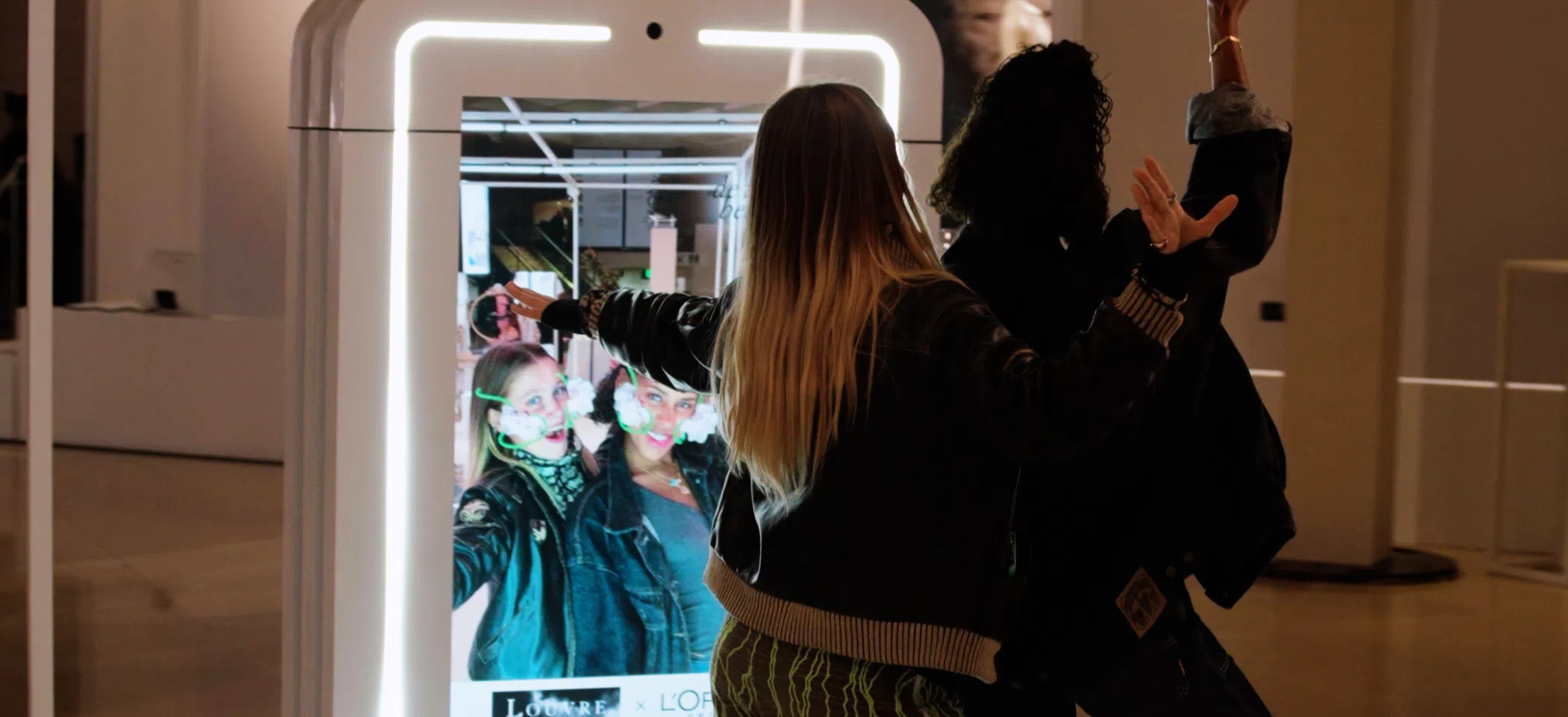
What is Phygital Marketing: Benefits, Examples, and Trends


Customer journeys are no longer purely online or offline. People discover products on social media, visit stores, scan packaging, use brand apps, interact with screens, try products virtually, and often complete the purchase later through another channel.
That’s why phygital marketing is now so important for brands with a physical presence. Stores, windows, packaging, billboards, and event booths can’t just sit there anymore. They need to invite customers to interact, explore, compare, share, and keep the journey going online.
Phygital marketing connects these physical and digital moments into a smoother, more useful customer experience. This approach is especially helpful for retail, beauty, fashion, FMCG, home, automotive, events, and outdoor ads.
Key Takeaways
- Phygital marketing combines physical and digital touchpoints into one connected customer experience.
- The strongest phygital campaigns make physical interactions more useful, interactive, measurable, or shareable.
- Common formats include AR try-on, smart mirrors, interactive storefronts, connected packaging, app-powered stores, and AR OOH.
- Real-world examples include Bershka, Kiehl’s, Fendi, Pepsi, IKEA, Makeup by Mario, Dolce & Gabbana Beauty, Coca-Cola, Nike, and Sephora.
- Phygital marketing works best when it starts with a business goal, not with technology.
- The future of phygital marketing will be more AI-powered, privacy-conscious, and performance-driven.
What Is Phygital Marketing?
Phygital marketing blends physical and digital touchpoints to create a connected, interactive experience for customers. Digital technology makes in-person brand moments more engaging, useful, measurable, and linked to digital channels.
The word ‘phygital’ is a mashup of physical and digital. In marketing, it means using digital technology to enhance a physical space, product, display, or customer interaction.
This can include augmented reality, artificial intelligence, smart screens, AR mirrors, AI mirrors, QR codes, NFC, mobile apps, virtual try-on, digital signage, connected packaging, computer vision, and in-store analytics.
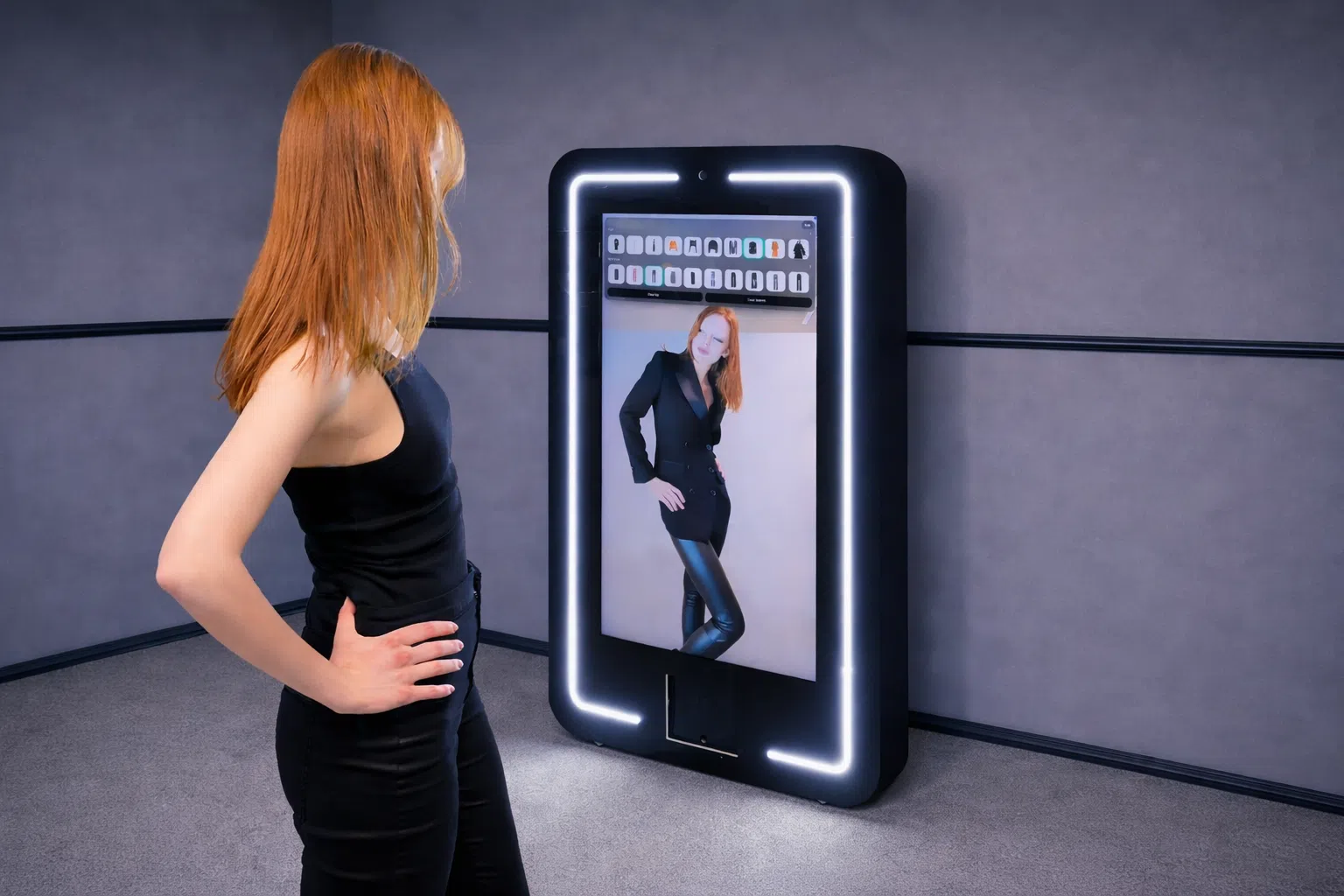
For example, a customer can stand in front of a mirror and try on makeup virtually. A shopper can scan a Coca-Cola can to unlock AR content. A person passing a storefront can interact with an AR window before entering the store. A Nike customer can use the brand’s app to scan products and check out inside a physical store.
In each case, the physical touchpoint becomes more valuable because it has a digital layer.
Benefits of Phygital Marketing
The key benefits of phygital marketing come from making physical touchpoints more interactive, measurable, and connected to the wider customer journey.
- Higher customer engagement: Phygital marketing gives customers something to do, not just something to look at. They can scan a code, tap an NFC tag, try a product in AR, interact with a mirror, use an app in-store, or unlock a digital experience from a physical object. This matters as physical retail and OOH become more active media environments: IAB Europe’s 2025 Attitudes to Retail Media report found that digital screens lead in-store retail media investment: 70% of retailers offered this format, and 54% of buyers invested in it.
- Better product discovery: Digital layers help customers understand, compare, and test products more easily. AR try-on, furniture visualization, and app-powered store features can make it easier to explore shades, sizes, styles, availability, or product fit before buying. A PMX and Snap study of 4,000 respondents across the U.S., U.K., France, and Saudi Arabia found that 66% would feel more confident about a purchase if they could virtually experience a product before buying.
- Stronger online-to-offline connection: Phygital marketing connects customer journeys that often feel separate. A shopper can discover a product online, visit a store, interact with a screen or mirror, scan a QR code, save a look, and continue the purchase later through e-commerce. This supports the broader omnichannel approach.
- More measurable offline marketing: Phygital experiences make physical engagement easier to track. Brands can measure interactions, dwell time, QR scans, NFC taps, AR try-ons, product selections, photo captures, shares, leads, store visits, sales uplift, and repeat engagement. This is why phygital marketing is closely connected to retail media growth.
- More useful personalization: Phygital marketing brings personalization into physical spaces. AI, AR, mobile apps, NFC, and interactive screens can help tailor product recommendations, virtual try-ons, content, offers, or experiences to individual customers.
- More user-generated content and social reach: AR mirrors, smart screens, AR photobooths, interactive billboards, AI-generated looks, and connected packaging can create moments customers want to record and share, extending the reach of a physical activation online.
- Better use of physical spaces: Stores, windows, pop-ups, airport retail, event booths, and billboards are expensive assets. Phygital marketing helps turn them into interactive, measurable, and digitally connected environments instead of static display spaces.
- Stronger customer experience: The best phygital marketing makes the customer journey easier, clearer, faster, or more engaging. It helps people try before buying, compare options, save time, receive guidance, access more choices, or continue the experience online.
Real-World Phygital Marketing Examples
The best phygital marketing isn’t just about showing off new tech. It’s about connecting a physical touchpoint with a digital layer that actually improves the experience, supports a business goal, or drives measurable engagement.
Bershka: Turning the Fitting Room Into a Social AR Experience
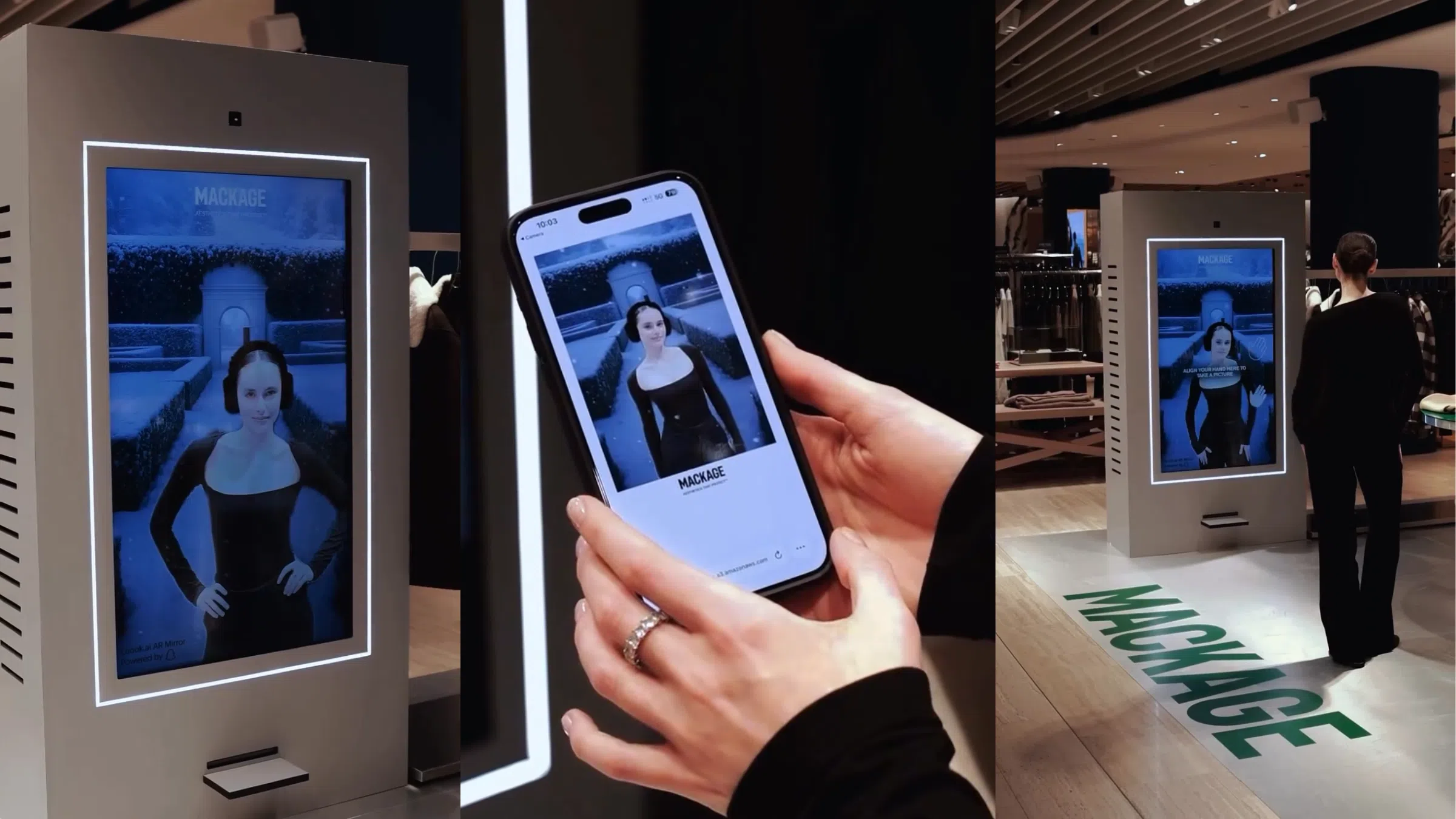
Bershka’s store at the Trafford Centre introduced AR mirrors created with FFFACE.ME and Snapchat. Customers could use the mirrors to virtually try on products through branded AR filters. They could also scan a QR code on the mirrors to access Bershka’s digital fitting room through the brand’s app and share the looks on social media. This is a great example of phygital in fashion because it brings together the store, AR mirrors, QR codes, the app, virtual try-on, and social sharing—all in one experience.
The value is clear: the fitting room becomes more interactive and content-friendly. Shoppers can try digital looks and keep the experience going on their phones, not just in-store.
Kiehl’s: Transforming the Storefront Into a Skin Analysis Touchpoint
Kiehl’s used an AR storefront experience to turn the store window into an interactive customer touchpoint. According to loook.ai’s case study, the activation integrated real-time skin analysis into window displays, generating 3,118 interactions, 17 activations per hour, and a 20% increase in foot traffic.
This is a strong phygital example because it links a physical storefront with digital interaction and helps drive more store visits.
The value is that the storefront becomes more than just a display. It becomes a customer-acquisition channel that engages people before they even walk in.
Nike House of Innovation: Connecting the Store Journey With the Nike App
Nike House of Innovation shows that phygital marketing doesn’t always need AR. Sometimes the most useful digital layer is a mobile app that improves the in-store journey.
Nike described Instant Checkout at Nike NYC, House of Innovation 000 as a feature that lets shoppers scan, pay, and skip lines through the Nike App. Other coverage of Nike House of Innovation highlights app-enabled features such as Scan to Try, Shop the Look, and Instant Checkout.
This is phygital because the app becomes part of how customers navigate, discover, and purchase in-store.
Fendi Istanbul Airport: Making Travel Retail Try-On Faster With AR
Fendi’s Istanbul Airport activation used a hands-free AR mirror for sunglasses try-on in a travel retail environment. The activation allowed travelers to virtually try eyewear and create branded content in a high-traffic airport setting. This is a strong phygital example because it brings digital try-on into a busy retail space where speed and convenience are key.
Shoppers are often in a hurry, so the experience needs to be quick, visual, and easy. A hands-free AR mirror lets customers try on eyewear fast and creates a memorable brand moment.
Sephora Virtual Artist: Making Beauty Try-On Easier With AR
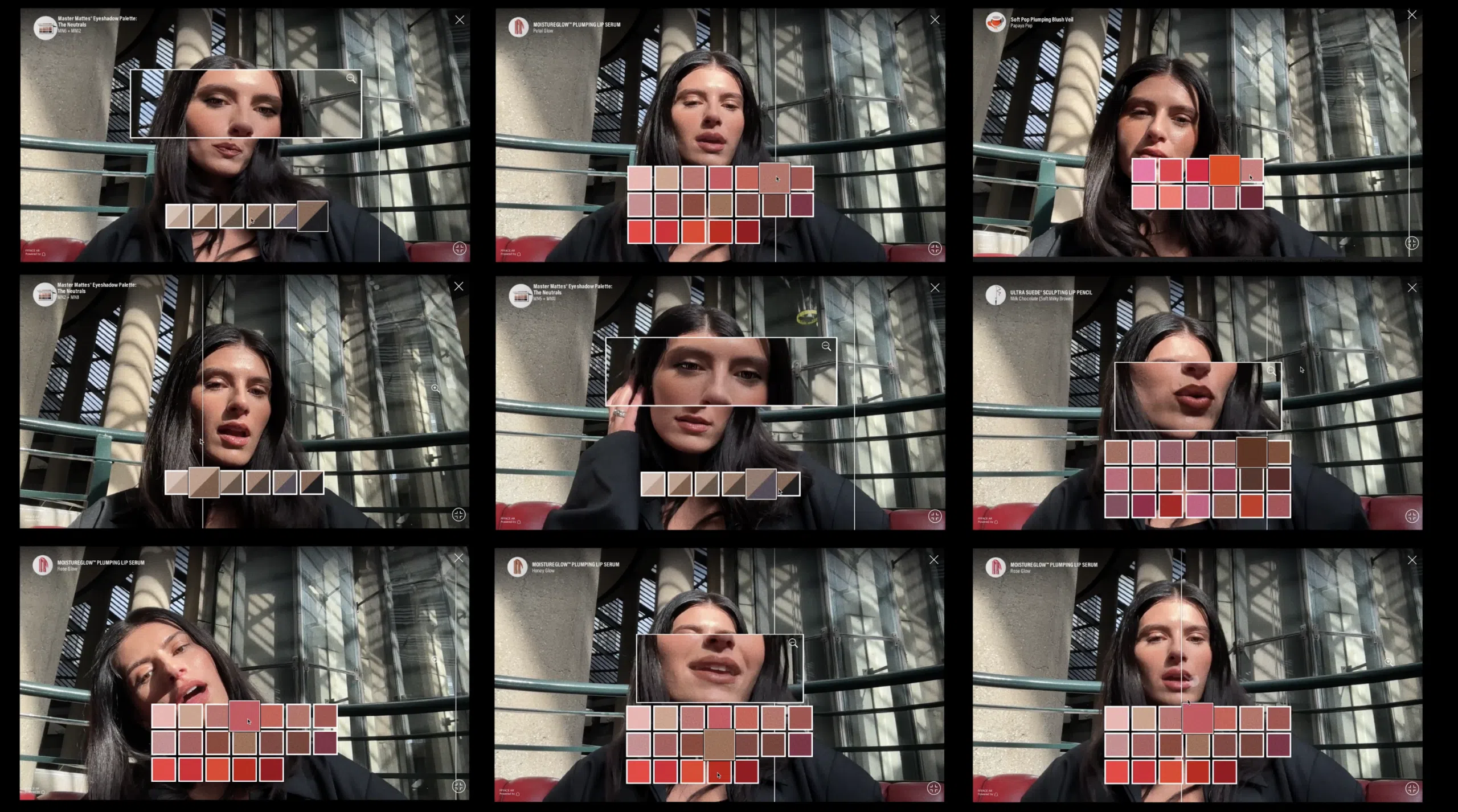
Sephora Virtual Artist lets customers try on makeup virtually. Sephora’s page describes the experience as using facial scanning to detect eyes, lips, and cheeks, then letting users try makeup virtually and compare products before buying.
This is phygital because it connects product testing, beauty discovery, and purchase decisions across both online and offline experiences.
Beauty shoppers want to see how a shade looks before buying. AR try-on makes it faster, more convenient, and easier to repeat for many products.
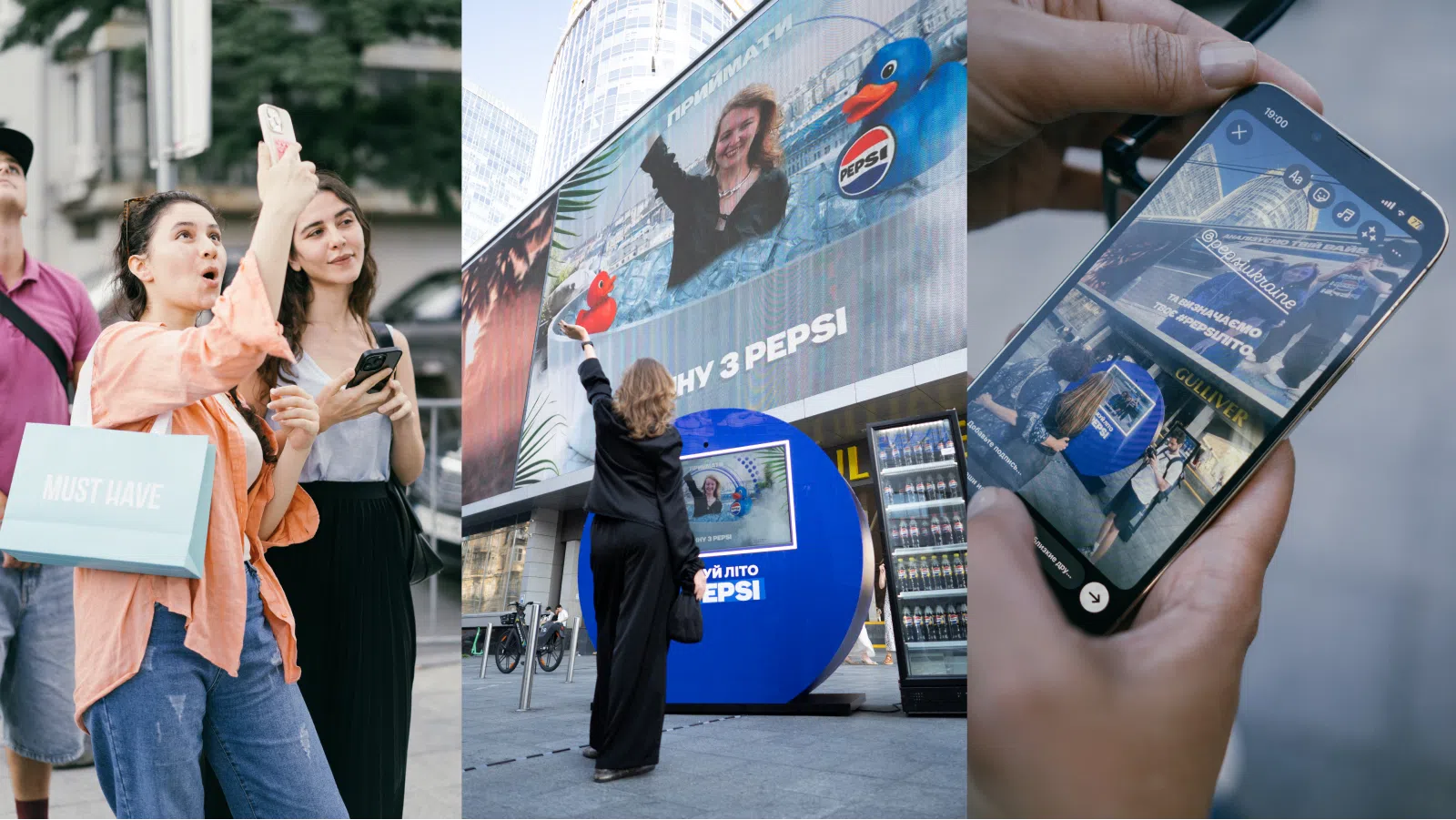
Pepsi: Turning Outdoor Advertising Into an Interactive AR Experience
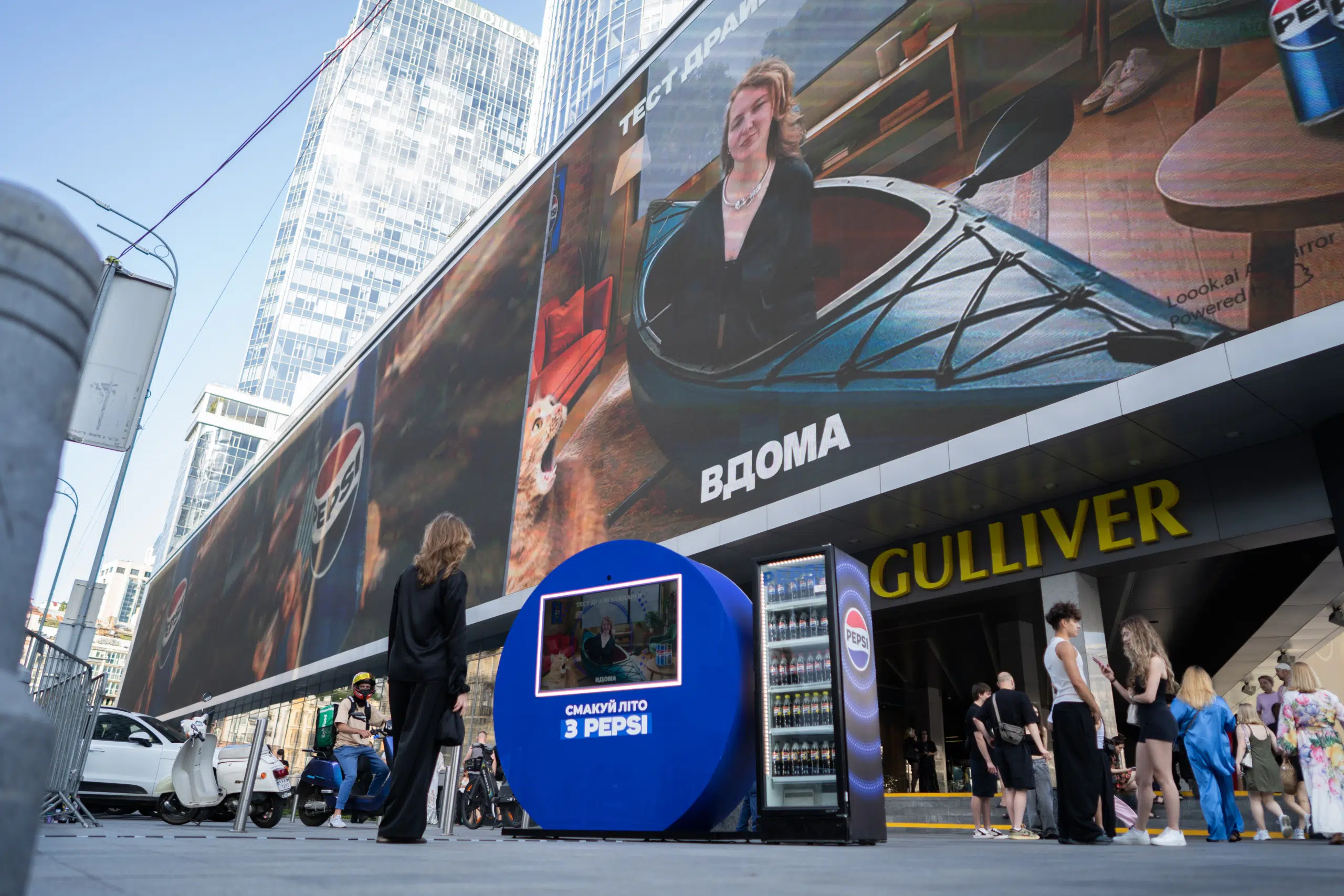
Pepsi’s AR Billboard campaign is a strong example of phygital marketing in FMCG and outdoor advertising. loook.ai describes the campaign as an AR Billboard for Pepsi that turned outdoor ads into interactive experiences combining DOOH, AR, and social engagement.
Pepsi also has a well-known earlier AR OOH example: the Pepsi Max “Unbelievable Bus Shelter” campaign. Grand Visual described it as an AR experience that transformed a bus shelter display into a window through which unexpected scenarios appeared in the real world, using a live street feed and composited digital assets.
This kind of campaign shows how phygital marketing can turn outdoor ads into interactive experiences.
IKEA: Bringing Furniture Visualization Into the Customer’s Home
IKEA is one of the clearest examples of phygital outside beauty and fashion. IKEA Kreativ, as described by IKEA, is a free virtual room designer that lets users try products in a realistic virtual room or scan their own space. Ingka Group also described IKEA Kreativ as an AI-powered experience that lets customers explore IKEA products in 3D showrooms and try products in lifelike spatial settings.
This is phygital because the customer’s real home becomes part of the digital shopping journey. Furniture shopping is full of uncertainty—size, scale, color, and fit. AR helps customers see how a product could work in their own space before they buy.
Makeup by Mario x Sephora: Using AR Try-On to Support Product Education
Makeup by Mario launched a life-size AR mirror at Sephora Times Square in 2024. Retail Dive reported that the experience allowed users to try bronzer shades virtually and included a tutorial from Mario Dedivanovic. The activation was designed to make shade selection easier and more interactive.
loook.ai’s case study describes the experience as an AR mirror for virtual makeup try-on at Sephora New York, with 2,160 total activations and an average of 9 activations per hour.
This is a strong phygital beauty example because it brings together physical retail, AR product testing, education from the founder, and campaign storytelling.
The value is that the experience goes beyond just showing a product. It helps shoppers learn how to use it, see what it looks like, and connect with the founder’s expertise.
Coca-Cola x Marvel: Making Packaging Interactive With AR Storytelling
Coca-Cola and Marvel launched limited-edition packaging for Coca-Cola and Coca-Cola Zero Sugar featuring more than 30 Marvel characters. Coca-Cola said scannable QR codes unlocked AR animation experiences for each hero or villain, along with chances to win prizes.
This is a strong phygital packaging example because the bottle or can becomes a gateway to digital entertainment.
Dolce & Gabbana Beauty: Turning NFC Stickers Into an AI Beauty Experience
For the launch of the Eye Dare You! Beyond Palette, Dolce & Gabbana Beauty created an AI-powered makeup experience connected to NFC stickers. The brand’s own page says users could bring a smartphone close to the NFC sticker to activate AI-generated Bold Looks, with stickers available in Dolce & Gabbana boutiques and selected retailers; the tool could also be activated through the brand’s official TikTok profile.
This is a valuable phygital example because it doesn’t rely on a mirror or screen. Instead, a physical beauty accessory becomes the entry point to a digital AI experience.
The value is that the product itself becomes interactive. It links luxury beauty, NFC, AI-powered personalization, and social sharing.
Phygital Marketing Technologies
Several technologies are commonly used in phygital marketing.
- Augmented reality adds digital try-on, overlays, and interactive visuals to physical environments.
- Artificial intelligence enables personalization, recommendations, AI-generated content, and analytics.
- NFC lets users tap physical products or objects to unlock digital experiences.
- QR codes connect offline materials to websites, apps, AR filters, campaign pages, or product content.
- Smart screens turn physical displays into interactive customer touchpoints.
- Computer vision can support gesture control, visual interaction, and analytics.
- Mobile apps connect in-store behavior with digital journeys.
- Digital signage displays dynamic or context-aware content in physical spaces.
- CRM and loyalty integrations connect phygital interactions with retention, remarketing, and customer relationship management.
The right technology depends on your goal. A beauty launch might need AR try-on. A packaging campaign could use QR or NFC. A flagship store might need app integration. An out-of-home campaign could use big screens, AR, and social sharing.
How to Develop a Phygital Marketing Strategy
You can make a phygital marketing strategy actionable by breaking it into clear steps. Here’s a simple, step-by-step framework to go from idea to execution:
Step 1: Define your business objective
Decide what you want your campaign to achieve—like increasing foot traffic, helping customers discover products, supporting a launch, generating user content, collecting leads, boosting event engagement, increasing try-ons, driving online traffic from offline spaces, improving customer experience, or raising conversion rates.
Step 2: Pick the right physical touchpoint
Decide where the experience will happen—like a storefront, retail mirror, product package, event booth, pop-up, billboard, store app, fitting room, beauty counter, mall display, airport retail, or flagship store.
Step 3: Add the right digital layer
Pick the digital element that will add value—like AR try-on, AI recommendations, a QR journey, NFC tap, interactive screen, mobile app feature, digital collectible, branded photo or video, product tutorial, personalized result, or virtual room visualization.
Step 4: Make the experience useful
Focus on solving a real customer need or supporting your campaign goal. The digital experience should help customers choose faster, compare products, understand features, try before buying, get recommendations, save results, share content, keep shopping online, or feel more confident before they buy.
Step 5: Measure and optimize
Plan for measurement from the start. Decide which KPIs to track—like total interactions, engagement rate, dwell time, try-ons, QR scans, NFC taps, product selections, photo captures, shares, leads, store visits, sales uplift, and repeat engagement. Use these insights to improve your approach.
Phygital Marketing Trends
Phygital marketing is moving from simple digital add-ons to more strategic, data-driven customer experiences. Brands are no longer using QR codes, AR effects, smart screens, or mobile apps only to make physical spaces look more innovative. They are using them to make stores, packaging, billboards, events, and storefronts more interactive, measurable, and connected to the full customer journey.
One of the biggest trends is the shift from passive displays to interactive touchpoints. Smart mirrors, AR screens, AI mirrors, connected packaging, and app-powered retail experiences allow customers to try products, unlock content, receive recommendations, create shareable media, or continue the experience online. This makes physical marketing more useful for customers and more performance-oriented for brands.
Analytics is also becoming a key part of phygital marketing. Instead of relying only on estimated impressions or general foot traffic, brands can measure real interactions inside physical environments. Depending on the experience, they can track engagement rate, dwell time, QR scans, NFC taps, AR try-ons, product selections, photo captures, shares, leads, store visits, and sales uplift. This helps marketers understand which touchpoints attract attention, which products people interact with most, and which experiences are worth scaling.
Another major trend is AI-powered personalization. AI can make physical experiences more adaptive by generating looks, recommending products, adjusting content, or helping customers discover options based on their interaction. At the same time, brands need to treat privacy and consent as part of the experience design. The future of phygital marketing will not only be more interactive and personalized, but also more transparent, measurable, and privacy-conscious.
Where loook.ai and FFFACE.ME Fit Into Phygital Marketing
loook.ai and FFFACE.ME helps brands create phygital marketing experiences that connect physical spaces with interactive digital content. Together, they cover both the technology and creative production side of phygital campaigns: from AR mirrors, AI mirrors, smart storefronts, smart billboards, and AR photobooths to AR filters, CGI/FOOH content, and AI-powered brand experiences.
loook.ai focuses on turning physical screens into interactive touchpoints. Instead of using storefronts, mirrors, event screens, or billboards as passive displays, brands can make them responsive, measurable, and customer-facing. Shoppers can try products virtually, interact with branded content, create shareable photos or videos, and continue the journey through QR codes, product pages, or social media.
FFFACE.ME brings the creative layer to these experiences. The agency develops AR, AI, CGI, and mixed reality campaigns that help brands make launches, pop-ups, retail activations, and OOH campaigns more engaging and culturally relevant. This is especially useful when a brand needs not only the technology setup, but also a strong creative concept that people want to interact with and share.
For brands, the value is not just the technology itself. It is the ability to turn physical spaces into interactive, data-informed brand environments. This can help increase engagement, support product discovery, generate UGC, drive foot traffic, collect privacy-conscious interaction data, and connect offline moments with digital customer journeys.
This approach is especially relevant for beauty, fashion, eyewear, retail, FMCG, pop-ups, product launches, events, shopping malls, travel retail, OOH campaigns, and experiential marketing campaigns.
FAQ
What is phygital marketing?
Phygital marketing is a strategy that combines physical and digital touchpoints to create connected customer experiences. It uses technologies such as AR, AI, QR codes, NFC, smart screens, mobile apps, and interactive displays to make offline interactions more engaging and measurable.
What does phygital mean?
Phygital means physical + digital. It describes experiences where digital technology enhances a physical environment, product, or customer interaction.
What is an example of phygital marketing?
An AR mirror in a retail store is a strong example. A customer interacts with a physical screen while digital products, effects, or recommendations appear in real time. Other examples include AR packaging, app-powered stores, NFC product experiences, and interactive storefronts.
What are the benefits of phygital marketing?
The main benefits include higher engagement, better product discovery, stronger personalization, measurable offline marketing, more user-generated content, and a better connection between online and offline channels.
What technologies are used in phygital marketing?
Common technologies include augmented reality, artificial intelligence, NFC, QR codes, smart screens, computer vision, mobile apps, digital signage, and CRM integrations.
Is phygital marketing only for retail?
No. Phygital marketing is used in retail, beauty, fashion, automotive, FMCG, entertainment, hospitality, events, museums, airports, and outdoor advertising.
What is the difference between phygital and omnichannel marketing?
Omnichannel marketing connects multiple customer channels into one consistent journey. Phygital marketing specifically focuses on blending physical and digital experiences. A phygital campaign can be part of a broader omnichannel strategy.
How do you create a phygital marketing strategy?
Start with a business goal, choose the physical touchpoint, add the right digital layer, make the experience useful, measure the right KPIs, and plan the follow-up journey.