AR Mirrors
Create immersive AR Mirror experiences that help brands attract attention, engage customers, and showcase products.


What AR Mirrors Make Possible
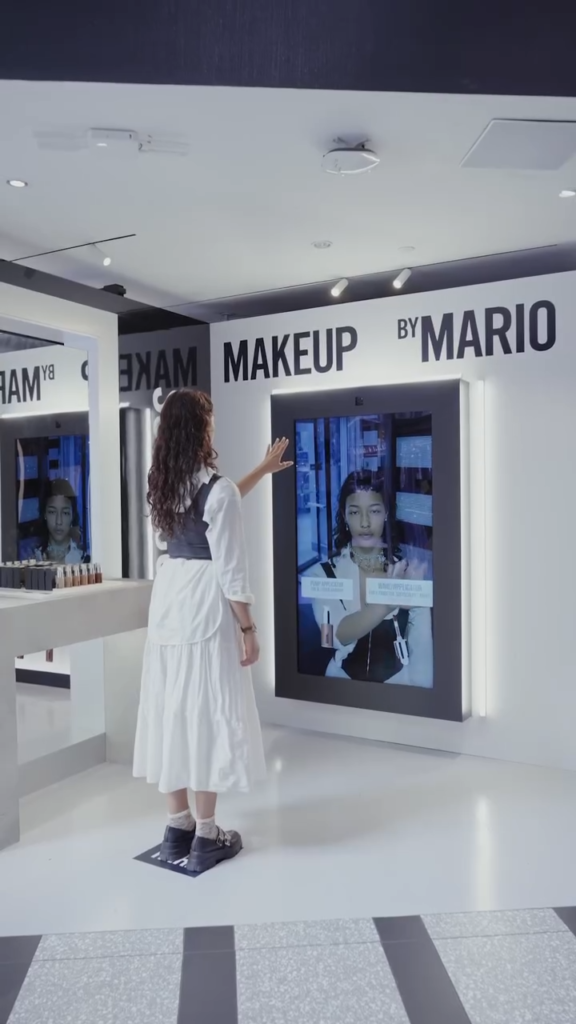
AR mirrors drive engagement, foot traffic and sales in offline retail and on events, enabling personalized immersive experiences of various types – starting with VTO and ending with Games and Creative Transformations.
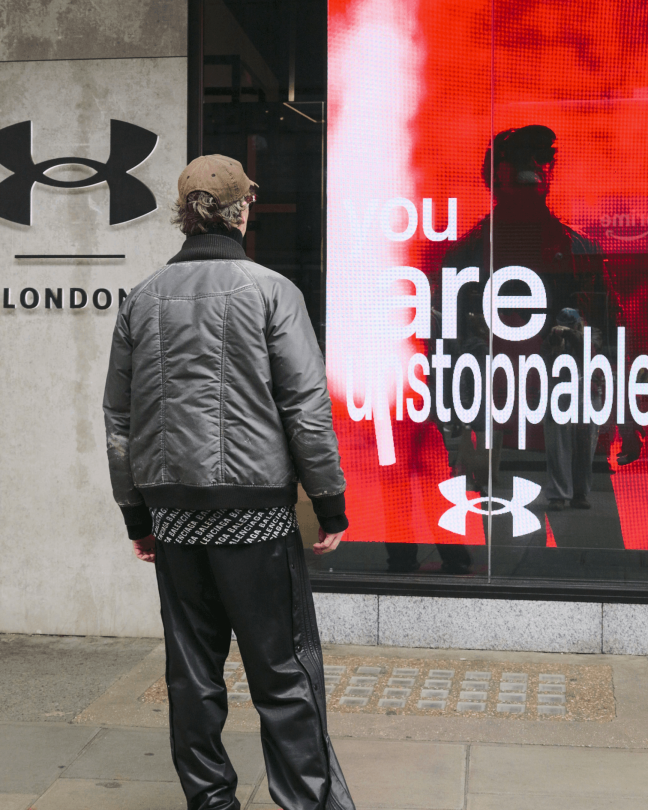
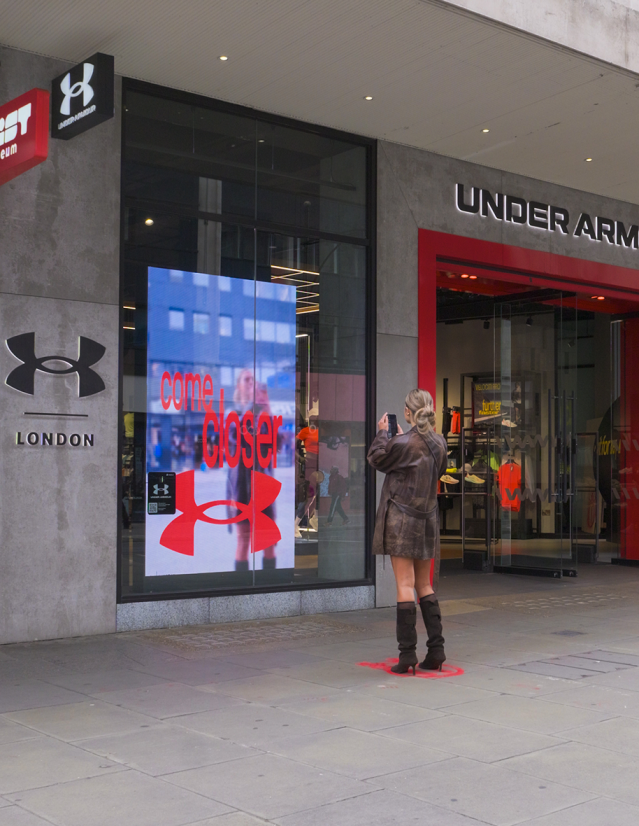
AR Mirror formats:
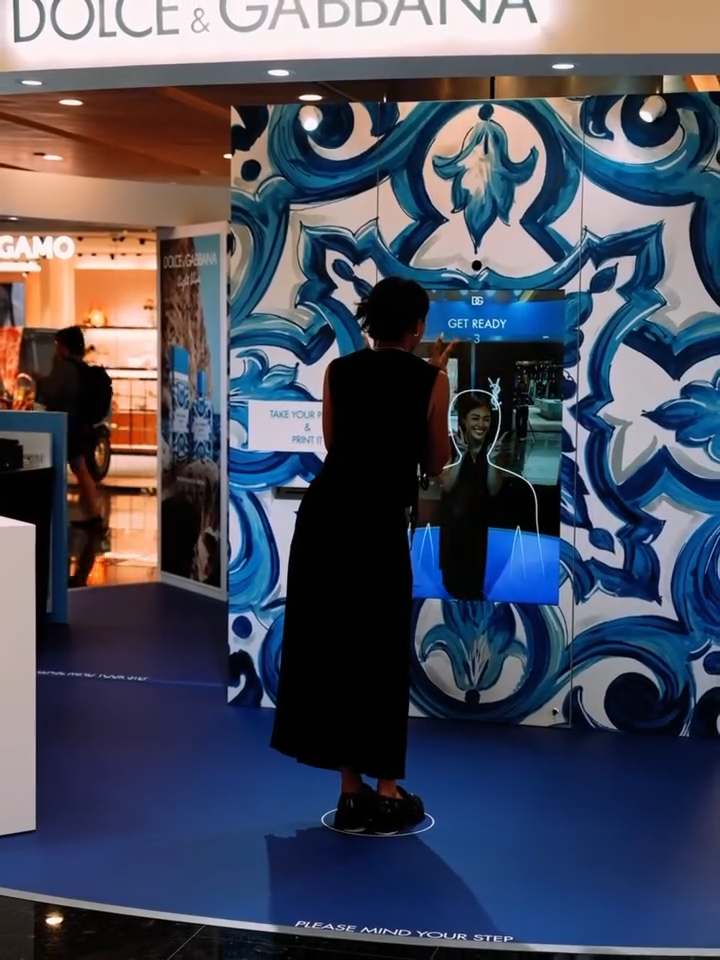
- In-Store AR Mirror
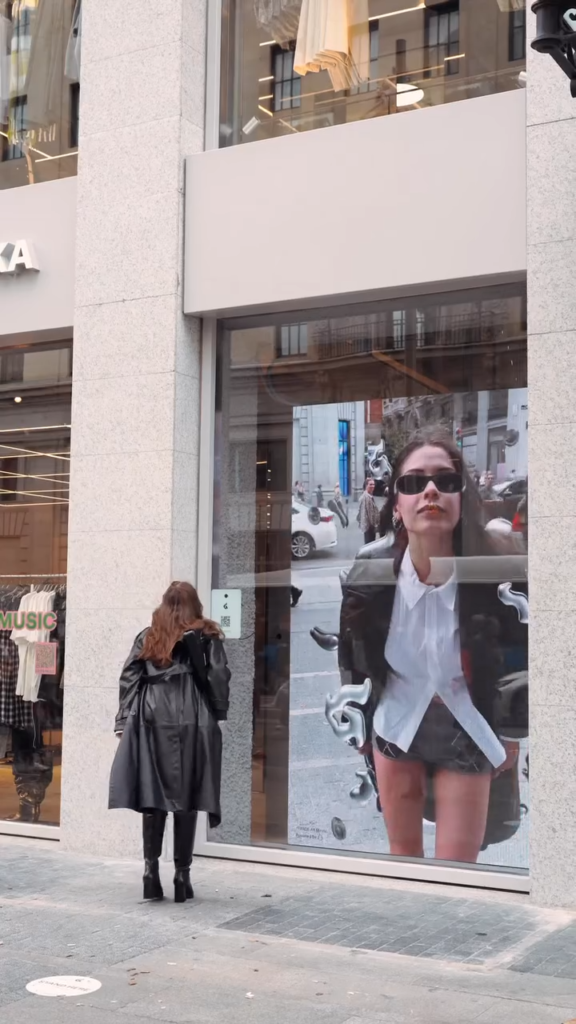
- AR Storefront
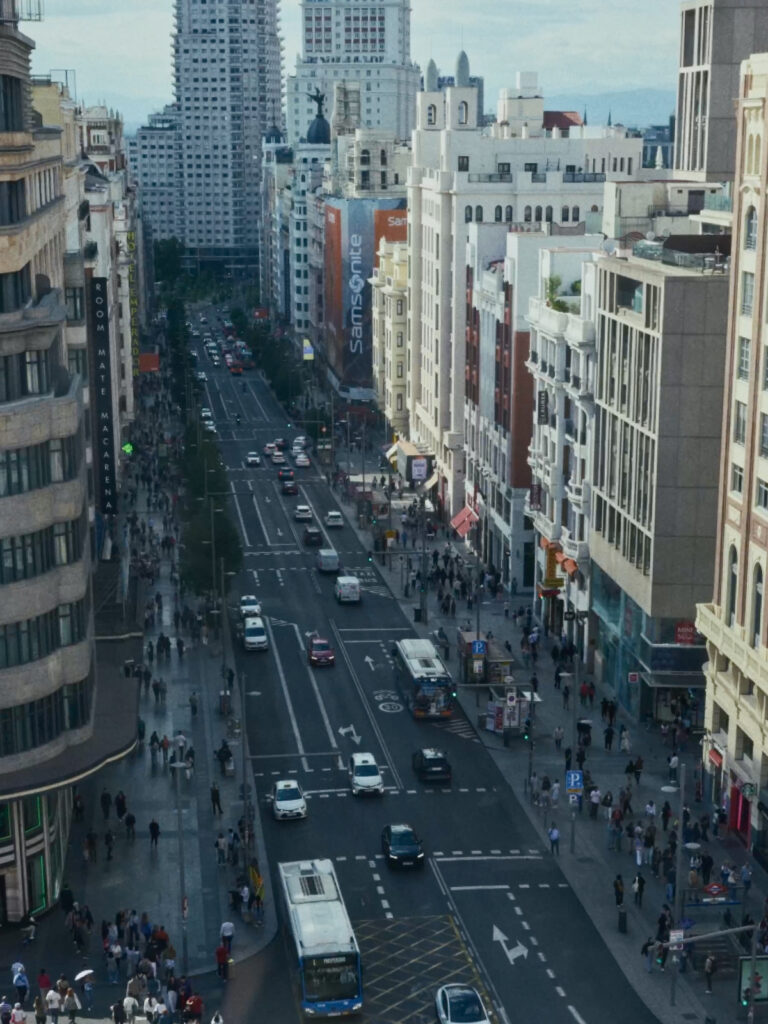
- Outdoor AR Mirror
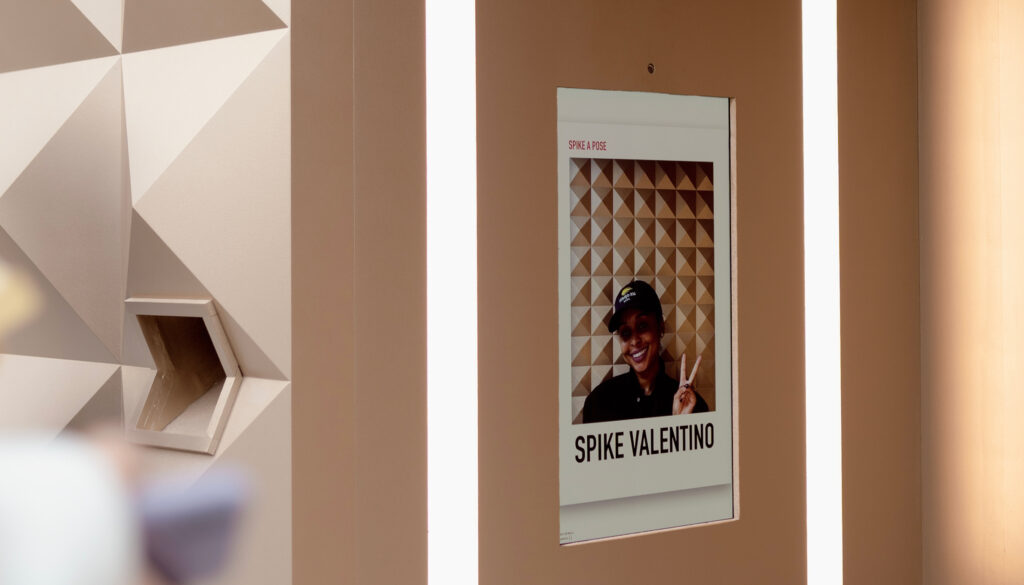
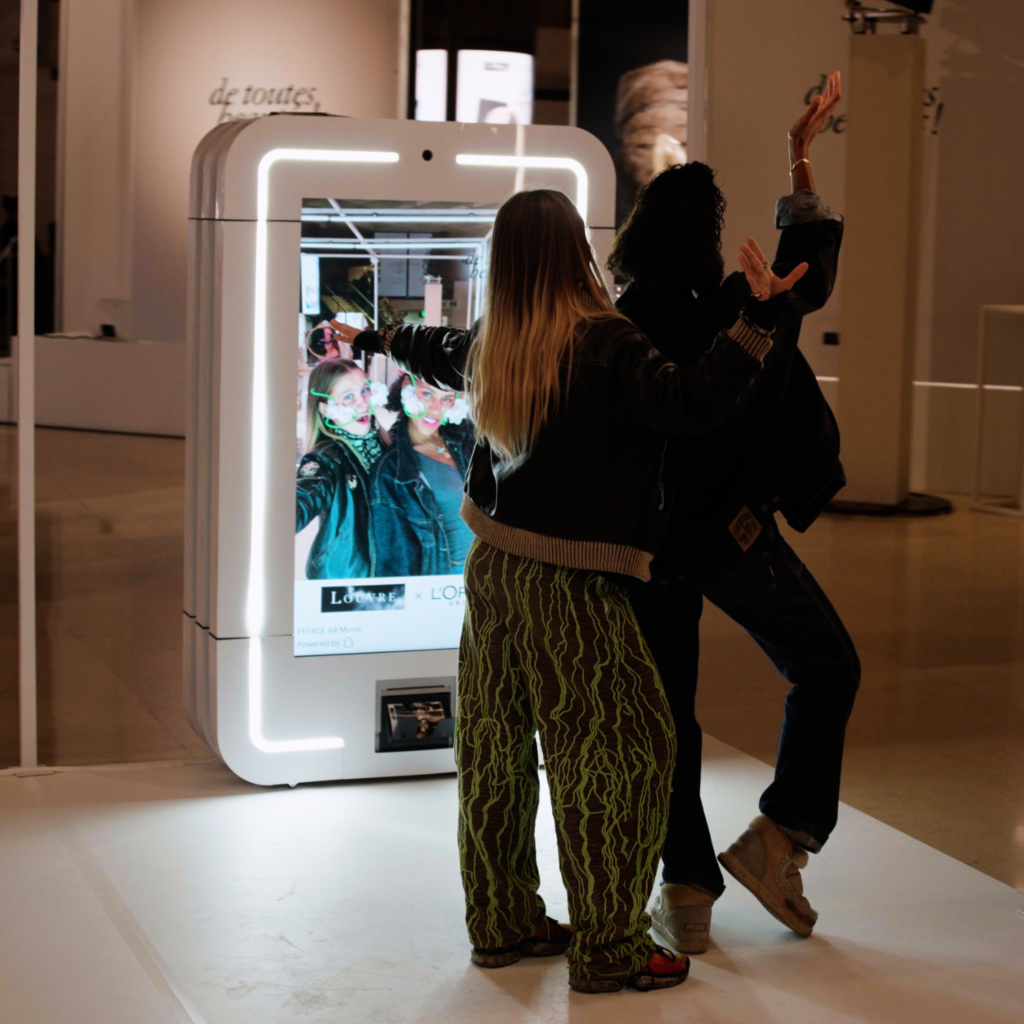
- AR Photobooth
AR Mirror Development Process
Experience Strategy
We define the smartest Smart Mirror format for your goal, space, and audience flow — so the experience is built to drive attention, engagement, traffic, or sales from day one.
Creative & Tech Production
We build the full experience end to end — from creative concepts, AI & AR effects, and UX to software development, content setup, and hardware integration.
Launch & Performance
We support the launch on-site or remotely, then track real interactions — activations, dwell time, content usage, QR scans, shares, and campaign performance.
AR Mirrors Built to Stop, Engage, and Convert
Increased Foot Traffic
Turn storefronts and retail spaces into interactive magnets that stop passersby, spark curiosity, and guide them inside.
Sales Growth
Transform product discovery into real purchase intent with AR Mirror experiences that help customers engage, try, and buy with confidence.
Brand Engagement
Create high-volume interactive moments that make people stop, play, capture content, and connect with your brand in real time.
Featured AR Mirror Case Studies
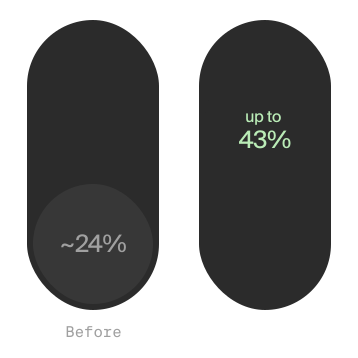
Turn stores into interactive sales zones where customers stop, try, explore, and move closer to purchase — as Fendi’s AR Mirror helped drive +43% YoY sales growth.
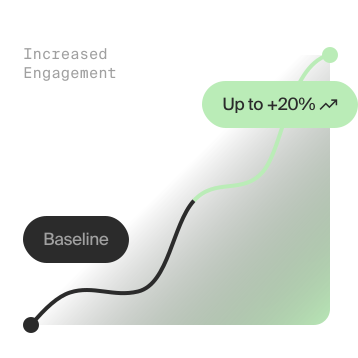
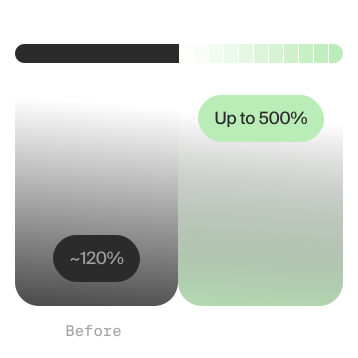
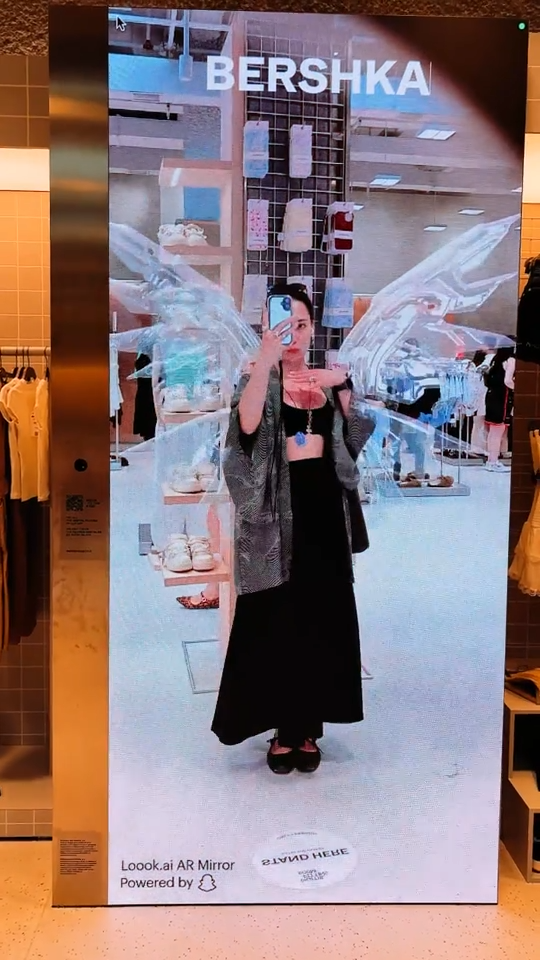
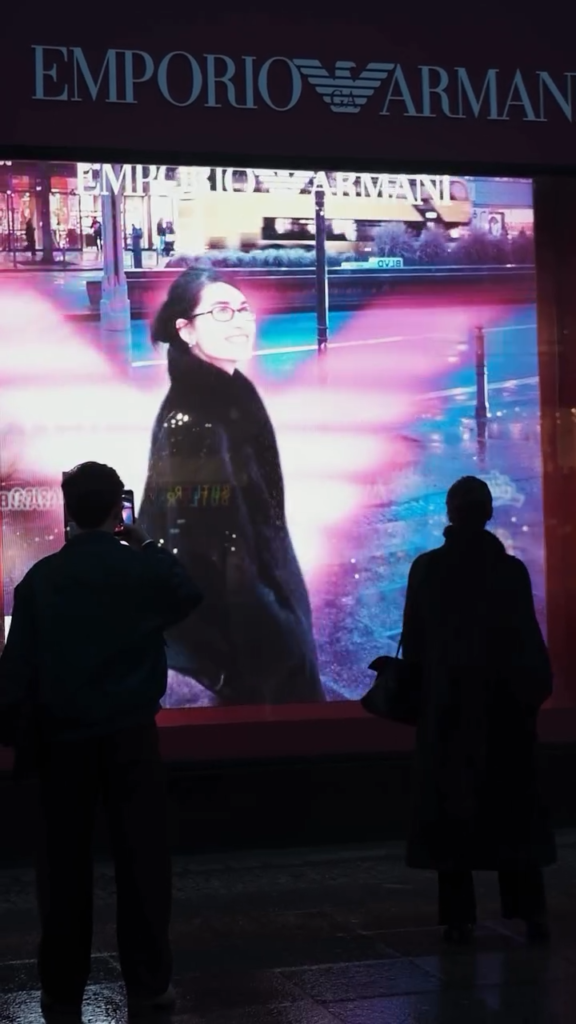
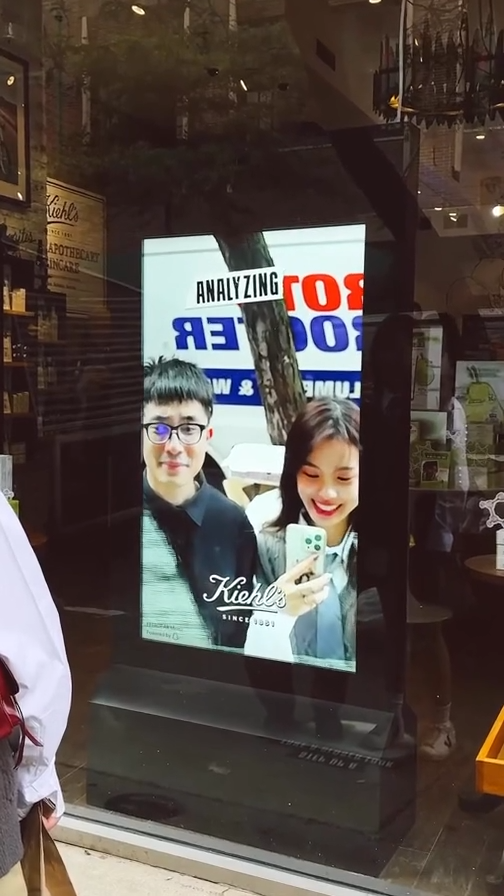
Make window displays impossible to ignore — capture street traffic, spark interaction, and pull people inside, like Kiehl’s with +20% foot traffic and Bershka with 7,000+ activations.
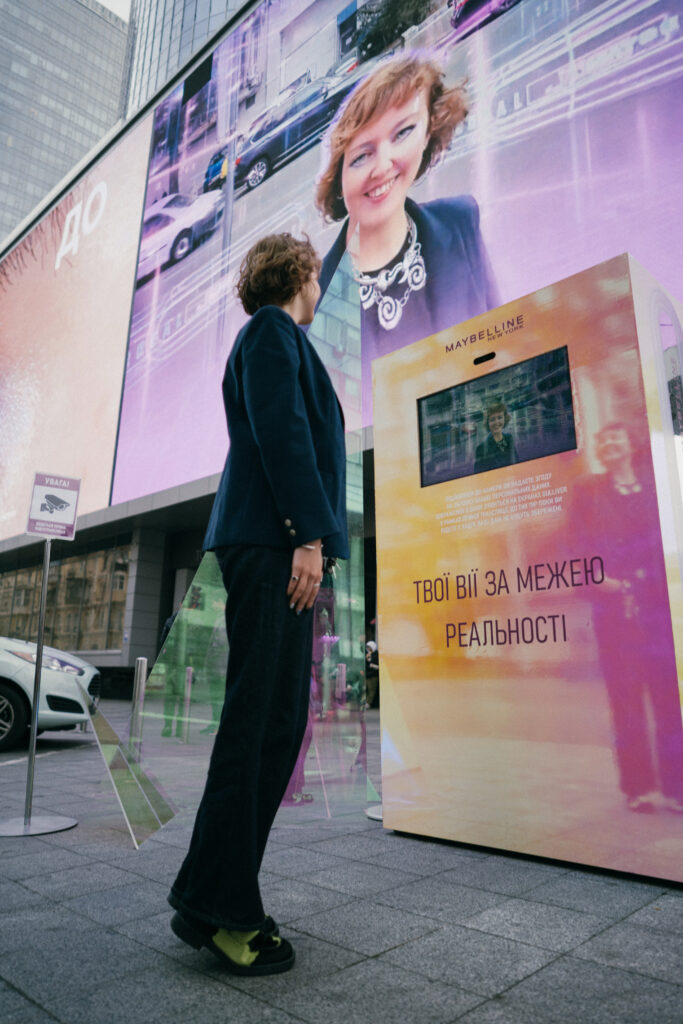
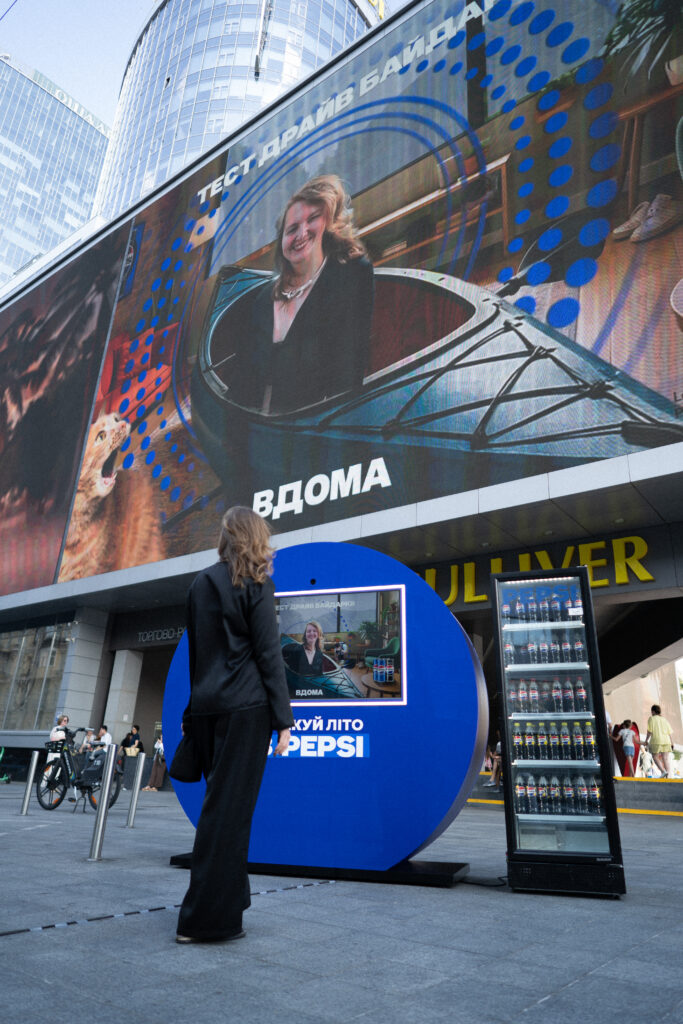
Transform LED walls and billboards into large-scale AR experiences that turn public spaces into brand stages — like Maybelline’s 4,000 m² AR Mirror, which generated 10,000+ interactions in 8 hours and 3M+ online impressions.
Create high-impact photo and video moments that people capture, print, share, and remember — like Calvin Klein Euphoria’s AR Photobooth, which generated 778 printed photos in 12 hours.











FAQs
An AR Mirror is an interactive smart screen that uses camera technology, augmented reality, artificial intelligence, and real-time visual effects to turn physical spaces into immersive brand experiences.